FREE SHIPPING - ONLINE SUPPORT 24/7
FREE SHIPPING - ONLINE SUPPORT 24/7
Browse the full print catalog in a cleaner, more modern layout while keeping the same shopping flow, pagination and book access behavior already working on your site.
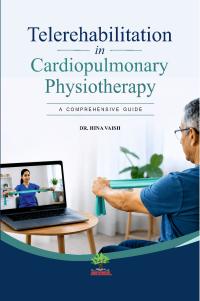
Telerehabilitation in Cardiopulmonary Physiotherapy is a comprehensive book that explores the application of telehealth technologies in the assessment, treatment, and management of patients with cardiopulmonary conditions. The book highlights how digital healthcare platforms, remote monitoring systems, and virtual rehabilitation programs are transforming the delivery of physiotherapy services, improving accessibility and continuity of care. It covers key topics such as the principles of telerehabilitation, cardiovascular and pulmonary rehabilitation protocols, patient assessment through virtual platforms, exercise prescription, remote monitoring of vital signs, patient education, and the use of wearable technologies. The book also discusses the challenges, ethical considerations, technological requirements, and evidence-based practices associated with implementing telerehabilitation programs.
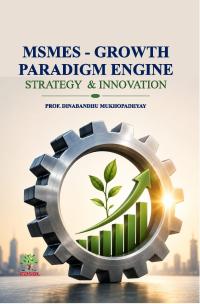
MSMEs – Growth Paradigm Engine: Strategy & Innovation by Prof. Dinabandhu Mukhopadhyay is a comprehensive guide to understanding the vital role of Micro, Small, and Medium Enterprises (MSMEs) in economic growth and sustainable development. The book explores strategic planning, innovation, entrepreneurship, policy frameworks, digital transformation, financial management, and business competitiveness. Designed for entrepreneurs, business professionals, policymakers, researchers, and management students, it provides practical insights and modern strategies to help MSMEs achieve long-term growth, resilience, and success in an evolving global business environment.
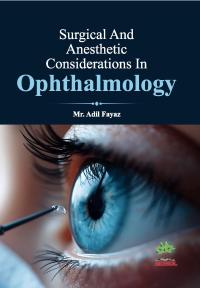
Surgical and Anesthetic Considerations in Ophthalmology by Mr. Adil Fayaz is a comprehensive reference for ophthalmologists, anesthesiologists, surgeons, postgraduate students, and healthcare professionals. The book explores essential surgical techniques, anesthesia protocols, perioperative patient management, risk assessment, and best practices in ophthalmic procedures. Covering both routine and complex eye surgeries, it provides practical guidance, evidence-based insights, and clinical recommendations to improve patient safety and surgical outcomes. An ideal resource for medical education and professional practice in the field of ophthalmology.
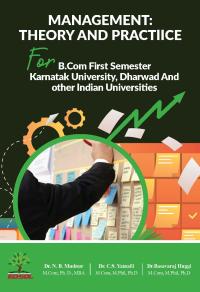
the First Edition of text book of?Management: TheoryandPractice? for B.Com First Semester. The book is thoroughly written in the frame work of Revised New Education Policy (NEP) syllabus prescribed by Higher Education Department, and Karnatak University, Dharwad in particular and other Indian Universities in general. In presenting this book, we have made every e?ort to explain the main principle of the subject in simple and lucid style. The matter has been presented in precise manner without sacri?cing the adequacy of the subject matter. We hope that the students of the subject ?nd this book useful and valuable. We take this opportunity to o?er my thanks to all well wishers for their co-operation and encouragement in completing the work. While writing this book, we have drawn freely from a large number of reference books written by eminent authors and therefore, we greatly indebted to all of them.
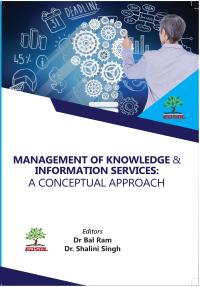
Explores the fundamental concepts, principles, and practices of knowledge and information management. Examines the role of information services in educational, research, and organizational environments. Discusses strategies for organizing, storing, retrieving, and disseminating knowledge effectively. Highlights modern approaches to knowledge sharing, information systems, and digital information resources. Provides conceptual frameworks useful for students, researchers, librarians, information professionals, and academicians. Covers contemporary issues and developments in knowledge management and information service delivery. Serves as a valuable reference for understanding the integration of knowledge resources and information technologies in decision-making and organizational growth.

Global Agricultural Trade: Policy Frameworks and Market Dynamics Global Agricultural Trade: Policy Frameworks and Market Dynamics provides a comprehensive examination of the evolving landscape of international agricultural trade. The book explores the economic, legal, institutional, and policy dimensions that influence the movement of agricultural commodities across global markets. Designed for students, researchers, policymakers, academicians, and professionals, this book analyzes international trade agreements, agricultural policies, food security, sustainability, market access, export-import regulations, tariff and non-tariff barriers, and the role of international organizations in shaping global agricultural commerce. The authors present contemporary issues and practical insights supported by theoretical concepts, making the book an essential resource for understanding the challenges and opportunities in today's interconnected agricultural economy.
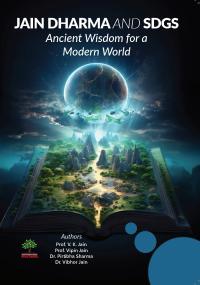
Jain Dharma and SDGs: Ancient Wisdom for a Modern World by Prof. V. K. Jain, Prof. Vipin Jain, Dr. Pritibha Sharma, and Dr. Vibhor Jain explores the remarkable connection between the timeless teachings of Jain Dharma and the United Nations Sustainable Development Goals (SDGs). The book demonstrates how ancient Jain principles such as Ahimsa (Non-Violence), Aparigraha (Non-Possessiveness), Anekantavada (Pluralism), Compassion, and Ethical Living can provide practical solutions to contemporary global challenges. Through a multidisciplinary approach, the authors examine how Jain philosophy promotes environmental sustainability, social harmony, responsible consumption, peace-building, and ethical governance. The book highlights the relevance of spiritual values in addressing issues such as climate change, inequality, poverty, resource conservation, and sustainable economic development. By bridging ancient wisdom with modern sustainability frameworks, this work offers valuable insights for scholars, students, policymakers, researchers, and practitioners seeking a holistic approach to sustainable development. It serves as a guide for integrating ethical and spiritual principles into personal, social, and global efforts toward creating a more balanced, inclusive, and sustainable future. This book is an essential resource for anyone interested in understanding how traditional philosophical teachings can contribute meaningfully to achieving the Sustainable Development Goals and fostering long-term global well-being.
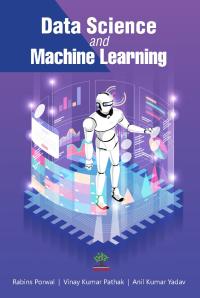
This book,Introduction to Data Science and Machine Learning, is designed to serve as a comprehensive starting point for students, professionals, and enthusiasts who are new to the ?eld. It provides a well-rounded foundation in both the theoretical concepts and practical applications of data science and machine learning, blending statistical thinking, computational tech-niques, and domain knowledge. The book covers essential topics including data preprocessing, exploratory data analysis, supervised and unsupervised learning, model evaluation, and the ethical considerations of AI. Programming examples and exercises are included throughout, primarily using Python and its widely adopted librar-ies such as Pandas, NumPy, Scikit-learn, and Matplotlib. What sets this book apart is its approachable and structured learning path.Beginning with fundamental concepts, it gradually introduces more com-plex ideas, ensuring that readers develop both intuition and practical skills.Whether you are a student starting your journey, a professional looking to transition into data science, or an educator seeking to introduce the subject,this book aims to make the learning process engaging, insightful, and ap-plicable.